
If your rankings have been stuck in mud despite hours of “optimization,” chances are you’re following advice that expired years ago. The SEO industry is flooded with recycled tips, outdated tactics, and pure folklore that refuse to die. At adhurl.com, we audit dozens of websites every month and we keep seeing the same outdated practices sabotaging good content.
In this guide, we’re busting the 9 most damaging SEO myths still circulating in 2026, and pairing each one with what actually moves the needle on Google today.
Why SEO Myths Refuse to Die
SEO myths persist because they used to be true. Keyword stuffing worked in 2008. Meta keyword tags mattered in 2002. Submitting your URL to search engines was a real task in the early 2000s. The problem? Blog posts from that era still rank, get copied, and pass bad advice to a new generation of marketers.
Google’s algorithm has evolved through hundreds of updates, including Helpful Content systems, SpamBrain, and AI-powered ranking signals. What worked then can actively hurt you now.

The 9 SEO Myths You Need to Stop Believing in 2026
Myth #1: Keyword Density Has a Magic Percentage
You’ve probably read that your target keyword should appear in 2% to 3% of your content. This rule is fiction. Google’s John Mueller has stated multiple times that keyword density is not a ranking factor.
What works today: Write naturally for humans. Cover the topic comprehensively using related entities, synonyms, and semantic variations. Google’s BERT and MUM models understand context, not keyword counts.
Myth #2: Meta Keywords Tag Still Helps Rankings
Google publicly stopped using the meta keywords tag in 2009. Yet plenty of SEO plugins still ask you to fill it in.
What works today: Focus on your title tag, meta description (for click-through rate), and structured data. These are the metadata signals that actually impact visibility.
Myth #3: You Need to Submit Your Site to Search Engines
Services that promise to “submit your site to 500 search engines” are scams in 2026. Google discovers pages through links and your sitemap.
What works today:
- Submit your XML sitemap through Google Search Console
- Build internal links from existing indexed pages
- Earn backlinks from reputable sources
- Use the URL Inspection tool for priority pages
Myth #4: More Backlinks Always Equal Better Rankings
Quantity died as a backlink metric a long time ago. A single link from a topically relevant, high-authority publisher can outweigh hundreds of low-quality directory links, and toxic links can actively damage your site.
What works today: Prioritize relevance, authority, and editorial trust. One link from an industry-leading site beats 200 forum signatures.
Myth #5: Duplicate Content Triggers a Google Penalty
There is no “duplicate content penalty.” Google simply chooses one canonical version to rank and ignores the others. The real issue is wasted crawl budget and diluted ranking signals.
What works today: Use canonical tags properly, consolidate similar pages, and make sure each URL serves a distinct search intent.
Myth #6: SEO Is a One-Time Project
“We did SEO last year” is one of the saddest sentences in marketing. Search behavior, competitors, and Google’s algorithm change constantly.
What works today: Treat SEO as an ongoing process with quarterly content audits, regular technical checks, and continuous link building.
Myth #7: AI-Generated Content Is Banned by Google
Google’s official position, reaffirmed in their 2024 and 2025 guidance, is that content is judged on quality, not method of creation. Mass-produced, unedited AI spam will get hit by the Helpful Content system, but high-quality content created with AI assistance is fine.
What works today: Use AI as a tool, but add genuine expertise, original research, fact-checking, and human editing. Demonstrate E-E-A-T (Experience, Expertise, Authoritativeness, Trustworthiness).
Myth #8: Page Speed Is the Most Important Ranking Factor
Core Web Vitals matter, but they are tiebreakers, not kingmakers. A blazing-fast page with thin content will lose to a slightly slower page that genuinely answers the query.
What works today: Aim for “Good” thresholds on LCP, INP, and CLS, then redirect your effort toward content quality and topical authority.
Myth #9: Higher Word Count Always Ranks Better
The “write 2,000+ word articles to rank” advice has caused countless bloated, padded posts. Google has explicitly stated word count is not a ranking factor.
What works today: Match content depth to search intent. A query like “what time is it in Tokyo” needs one sentence. A buyer’s guide may need 3,000 words. Length should serve the user, not a checklist.

Quick Reference: Myth vs Reality
| SEO Myth | 2026 Reality |
|---|---|
| Hit a 2-3% keyword density | Write naturally, cover entities |
| Fill out meta keywords tag | Optimize titles and structured data |
| Submit to 500 search engines | Use Google Search Console sitemap |
| More backlinks = better | Relevance and authority win |
| Duplicate content penalty | Canonical confusion, not a penalty |
| SEO is one-and-done | Continuous optimization required |
| AI content is banned | Quality matters, not the source |
| Speed beats everything | Speed is a tiebreaker |
| Longer content always wins | Match length to search intent |
What Actually Drives Rankings in 2026
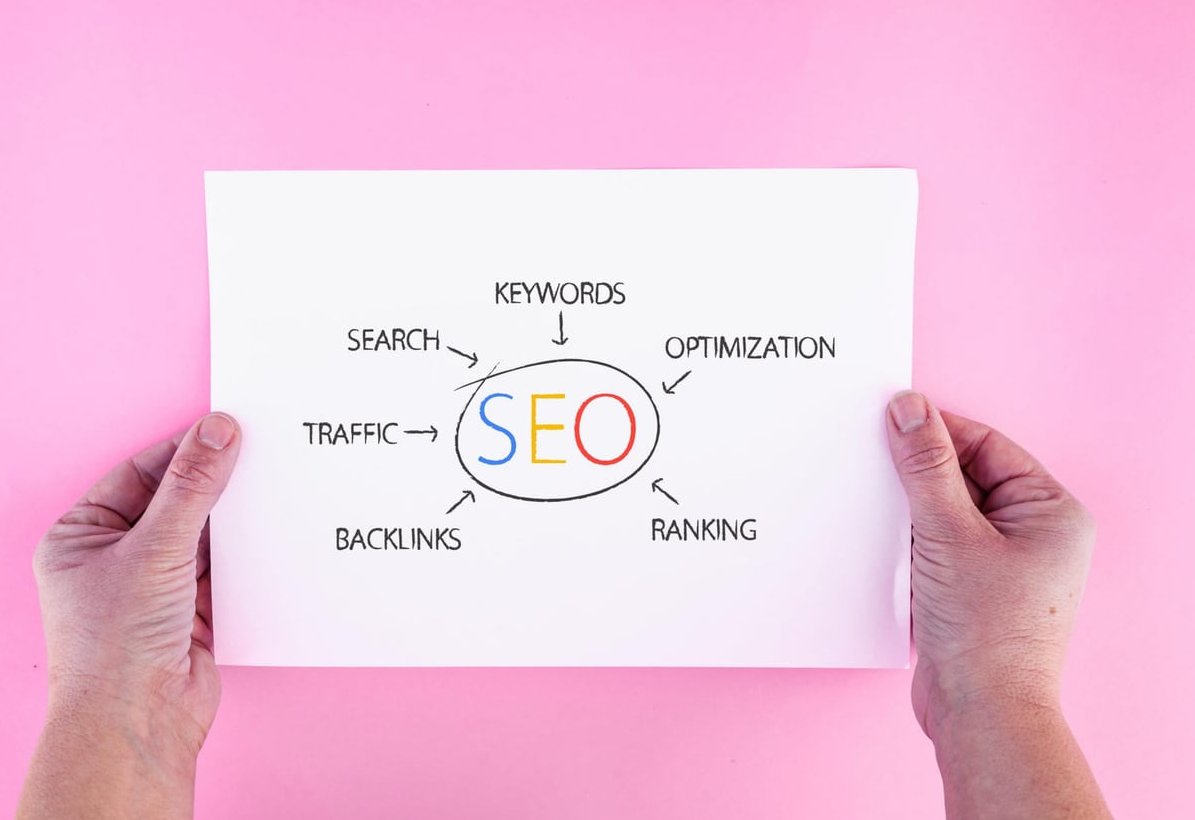
If you strip away the myths, modern SEO comes down to a short list of things that genuinely matter:
- Search intent alignment – Does your page answer the exact query better than competitors?
- Topical authority – Are you covering an entire subject cluster, not just isolated posts?
- E-E-A-T signals – Author bios, citations, real experience, transparent ownership.
- Technical health – Crawlable, indexable, mobile-friendly, secure, decent Core Web Vitals.
- Quality backlinks – Earned from relevant, trusted publications.
- User satisfaction – Low pogo-sticking, strong engagement, returning visitors.
How to Audit Your Site for Outdated SEO Tactics
Run a quick myth-check on your own website with these steps:
- Open 5 of your top pages and read them aloud. Do they sound natural or keyword-stuffed?
- Check your backlink profile in Search Console for spammy patterns.
- Review your content calendar. Are you producing for users or for an outdated word-count rule?
- Verify your sitemap is submitted and clean in Search Console.
- Look at pages with declining traffic since the last Helpful Content update.
FAQ: SEO Myths in 2026
Is SEO dead in 2026?
No. SEO is more competitive than ever, but it is far from dead. Organic search still drives the largest share of trackable web traffic for most businesses. What has died is lazy SEO based on tricks and shortcuts.
Does Google still use the meta description for ranking?
The meta description is not a direct ranking factor, but it heavily influences click-through rate from the SERP, which indirectly impacts performance. Write it for humans.
Will using AI to write content hurt my SEO?
Only if the content is low quality, unedited, or designed purely to manipulate rankings. AI-assisted content that is fact-checked, expert-reviewed, and genuinely helpful performs just as well as fully human-written content.
How long does it take to see SEO results in 2026?
For new sites, expect 4 to 8 months before meaningful organic traffic. Established sites can see movement in weeks for less competitive queries. Anyone promising day-one rankings is selling another myth.
Should I disavow toxic backlinks?
Google’s SpamBrain ignores most low-quality links automatically. Only use the disavow tool if you have received a manual action or have clear evidence of a negative SEO attack.
Final Thoughts
The biggest favor you can do for your rankings in 2026 is to stop optimizing for myths and start optimizing for people. Google’s job is to surface the best answer to a query, and its algorithm gets better at that every quarter. Align with that mission and the rankings will follow.
Need help auditing your site against modern SEO standards? The team at adhurl.com can identify the outdated tactics dragging your visibility down and replace them with strategies that actually work today.