
Everyone is talking about AI in marketing, but most articles stop at the hype. If you actually run campaigns, manage a website, or handle a content calendar, you need concrete workflows, not another list of buzzwords. This guide breaks down how to use AI in digital marketing in 2026, with nine practical applications, real examples, and the human oversight each one requires. There’s a good explainer over at wm.edu.
We stay tool-agnostic on purpose. The workflows below work whether you use ChatGPT, Claude, Gemini, Perplexity, or specialized platforms. What matters is the process.
Why AI in Digital Marketing Looks Different in 2026
Two years ago, AI in marketing meant generating blog drafts and captions. Today, it is embedded across the funnel: research, creation, distribution, optimization, and reporting. The biggest shift is that AI has moved from a content assistant to a decision assistant, helping teams choose what to publish, who to target, and when to spend.
According to recent industry data, marketing teams that integrated AI into daily workflows report 20 to 40 percent time savings on repetitive tasks. But the winners are not the ones who automate everything. They are the ones who automate the boring 70 percent and use the saved time for strategy, creative direction, and quality control.

1. Content Ideation and Editorial Planning
The hardest part of content marketing is not writing. It is knowing what to write about. AI shines here because it can process search data, competitor content, and audience conversations in minutes. A similar approach shows up on lovecamels.com.
Practical workflow
- Feed the AI a list of your top 20 competitor URLs and ask it to identify content gaps.
- Add your seed keywords and request 30 topic angles clustered by search intent (informational, commercial, transactional).
- Ask the AI to score each idea against your brand pillars and audience personas.
- Turn the top 10 into briefs with target keyword, outline, and internal linking suggestions.
Real example: A B2B SaaS team uses AI weekly to scan Reddit threads and G2 reviews in their niche, then generates a list of pain points not yet covered on their blog. This alone doubled their organic traffic in six months.
2. Content Creation With Human Editing
AI writes fast. Humans write well. The winning combo is a structured workflow where AI handles the first draft and humans handle voice, accuracy, and originality.
- Blog articles: Use AI for outlines, section drafts, and meta descriptions. Rewrite intros and conclusions manually.
- Emails: Generate 5 subject line variants, then A/B test.
- Social captions: Batch-generate a month of captions from a single content pillar, then adjust tone.
- Product descriptions: Feed specs, get 3 versions per SKU, pick the best.
The 30 percent rule applies here: at least 30 percent of the final output should come from a human, whether that is edits, examples, opinions, or original research. This keeps content aligned with your brand and reduces the risk of generic, AI-detectable copy.
3. SEO Research and On-Page Optimization
AI has become the analyst that used to cost thousands per month. It can pull SERP patterns, extract entities, and suggest semantic keywords in seconds.
| Task | Old workflow | AI-assisted workflow |
|---|---|---|
| Keyword clustering | Manual grouping in spreadsheets | Paste keyword list, get intent-based clusters in 30 seconds |
| Content briefs | 2 hours per brief | 15 minutes with AI-generated structure and questions |
| Internal linking | Manual site search | AI scans your sitemap and suggests contextual links |
| Meta tags | Written one by one | Batch-generated for entire content library |
4. Paid Ad Copy and Creative Testing
Paid media is where AI delivers measurable ROI fastest. Instead of writing 3 ad variants, you can now test 30.
How to use AI in ad workflows
- Generate 20 headlines and 20 descriptions from a single product brief.
- Ask the AI to rewrite winners in different emotional angles (fear, curiosity, aspiration, urgency).
- Use image AI to produce multiple visual concepts for the same campaign, then test creatives against each other.
- Analyze past ad performance data with AI to identify which hooks, lengths, or CTAs drove the best CTR.
Google Ads, Meta, and TikTok already use AI internally for bidding and placement. Your job is to feed their algorithms with better creative variety, and that is where generative AI on your side matters most.
5. Audience Segmentation and Personalization
Traditional segmentation used 3 to 5 broad buckets. AI can create hundreds of micro-segments based on real behavior.
Concrete example: An ecommerce brand feeds order history and browsing data into an AI model. Instead of sending one newsletter to 50,000 subscribers, they now send 12 tailored versions based on category affinity, purchase frequency, and lifecycle stage. Open rates jumped 34 percent, revenue per email doubled.
You do not need a data science team for this. Modern CRM and email platforms now include AI segmentation built in. Your job is to define the business logic and quality-check the outputs.
6. Predictive Analytics and Forecasting
This is where AI moves from tactical to strategic. Predictive models can answer questions like:
- Which leads are most likely to convert in the next 30 days?
- Which customers are at risk of churning?
- What will next quarter’s traffic and revenue look like at current trajectory?
- Which channels are underperforming relative to attribution potential?
Marketers no longer need to build models from scratch. Platforms like HubSpot, Salesforce Einstein, and specialized tools such as Pecan AI offer plug-and-play predictive analytics. The value is not the prediction itself, but the ability to act on it before your competitors do.

7. Conversational Marketing and AI Chat
Chatbots in 2026 are not the clunky decision trees of 2020. They understand context, pull from your knowledge base, and hand off to humans when needed.
High-value use cases
- Pre-sales qualification: The bot asks discovery questions, scores the lead, and books a demo only for qualified prospects.
- Product recommendations: On ecommerce sites, AI chat guides visitors to the right product based on their answers.
- Customer support deflection: Handling 60 to 80 percent of repetitive queries without human involvement.
- Post-purchase engagement: Onboarding, upsell prompts, and review requests triggered by behavior.
8. Video and Visual Content Production
Producing video used to require a crew. In 2026, a solo marketer can create polished branded videos in an afternoon.
Workflow example for short-form video:
- Use AI to script a 45-second video from a blog article.
- Generate voiceover with a natural-sounding AI voice.
- Assemble scenes with AI video tools using stock footage or generated visuals.
- Auto-caption and translate into 5 languages for international reach.
- Publish across TikTok, Reels, YouTube Shorts, and LinkedIn.
The quality is not always cinema-grade, but it is more than enough for social feeds where attention lasts three seconds.
9. Reporting, Insights and Marketing Ops
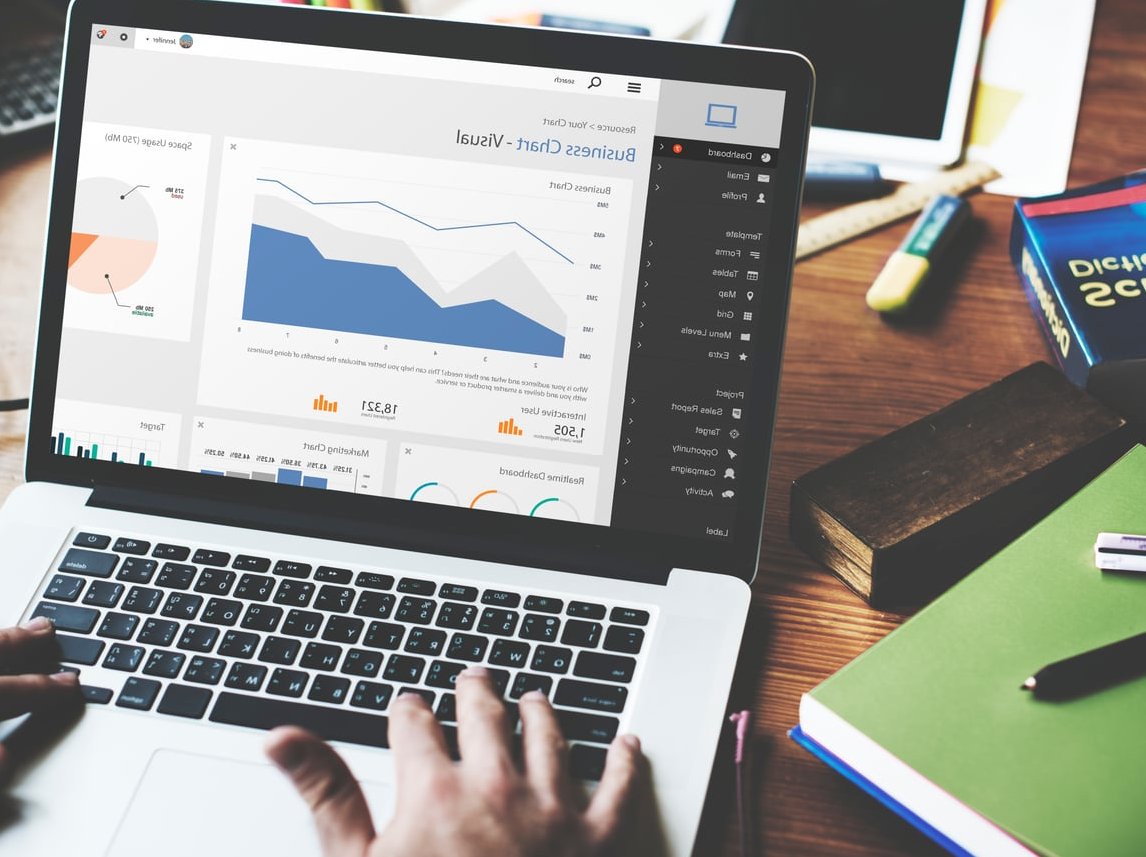
Marketing reports are the ultimate time sink. AI turns hours of Excel work into a two-minute prompt. You can read more here.
- Connect your analytics, ad platforms, and CRM to an AI-powered dashboard.
- Ask questions in plain English: “Why did conversions drop in July?” or “Which campaigns had the best ROAS this month?”
- Get narrative summaries you can paste directly into client or executive reports.
- Automate anomaly detection so you get alerts before small problems become disasters.
How to Start: A 30-Day Rollout Plan
You do not need to adopt all nine applications at once. Here is a realistic progression:
| Week | Focus | Outcome |
|---|---|---|
| 1 | Content ideation and briefs | Editorial calendar for next quarter |
| 2 | Ad creative testing | 10x more variants in market |
| 3 | Email personalization | Segmented campaigns live |
| 4 | Reporting automation | Weekly AI-generated performance summary |
Common Mistakes to Avoid
- Publishing unedited AI content: Google’s helpful content system rewards originality, not volume.
- Ignoring brand voice: Feed the AI documented guidelines and examples, not just prompts.
- Skipping data hygiene: Bad inputs create bad predictions, no matter how smart the model.
- Automating relationships: Use AI for scale, but keep humans in high-stakes interactions.
- Forgetting compliance: Privacy laws in 2026 are stricter. Review AI vendor data policies.
FAQ: How to Use AI in Digital Marketing
Can AI replace digital marketers?
No. AI replaces tasks, not roles. It handles repetitive work like drafting, sorting, and reporting, but strategy, creativity, judgment, and relationship-building remain human strengths. The marketers who adopt AI tools will replace those who do not.
What is the best AI tool for digital marketing?
There is no single best tool. Most teams combine a general-purpose LLM (like ChatGPT or Claude) for content and analysis, a specialized SEO platform, an ad optimization tool, and native AI features inside their CRM and analytics stack. Start with what fills your biggest workflow gap.
Is AI-generated content bad for SEO?
Not inherently. Google penalizes low-quality, unoriginal content regardless of whether it was written by humans or AI. Content that is genuinely helpful, well-researched, and edited by a human ranks well. Content that is mass-produced without value gets deprioritized.
How much does AI in marketing cost?
Entry-level workflows can be built with tools that cost 20 to 100 dollars per month per user. Enterprise setups with predictive analytics, personalization engines, and custom models can run into thousands per month. Most teams see positive ROI within the first 90 days if implementation is focused.
How do I keep my brand voice consistent when using AI?
Create a brand voice document that includes tone descriptors, sample sentences, do’s and don’ts, and vocabulary preferences. Include this document in every prompt or store it as a system instruction. Review outputs regularly and refine the guidelines based on what works.
Final Thoughts
Learning how to use AI in digital marketing is not about chasing the latest tool. It is about designing workflows where machines do the tedious work and humans do the meaningful work. In 2026, the competitive edge belongs to teams who move fast without losing quality, and AI is the multiplier that makes that possible.
Pick one application from this list, implement it this week, measure the impact, and expand from there. That is how real transformation happens: one workflow at a time.